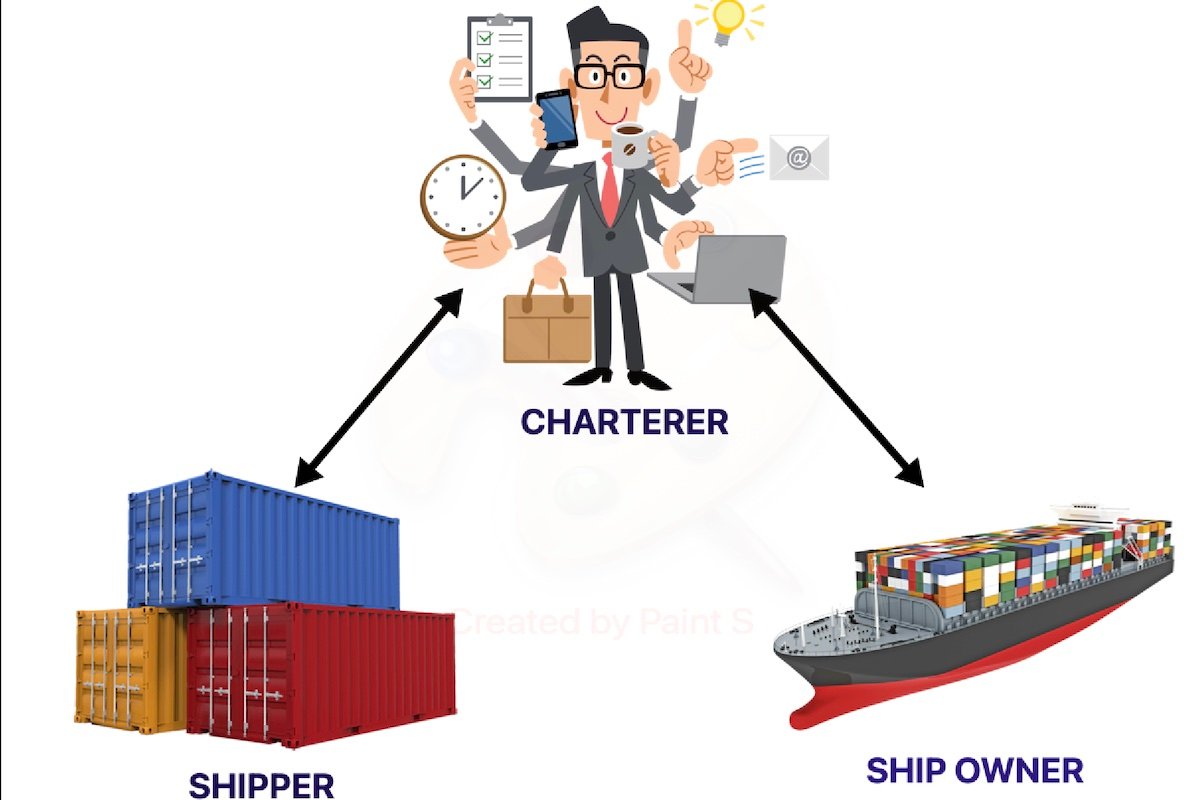
Ship chartering is the process of hiring a vessel from its owner to transport cargo. The agreement, known as a charterparty, defines the rate, duration, and terms between the shipowner and the charterer . Shipbrokers often act as intermediaries to facilitate these contracts .
The table below outlines the three main types of charters and how responsibilities are divided:
🚢 Why Businesses Choose to Charter
Companies charter ships for several key reasons, particularly when moving large, heavy, or high-volume cargo .
Cost Efficiency and Flexibility: Chartering avoids the massive capital investment of buying a ship, converting a fixed cost into a variable one. It also offers the flexibility to scale shipping capacity up or down based on demand .
Expertise and Risk Management: Businesses can leverage the shipowner's operational expertise and are often shielded from risks like vessel maintenance and crew management, especially in voyage and time charters .
Control and Certainty: Chartering provides greater control over the vessel's route and schedule compared to standard liner services, offering more predictability for project planning .